

Licensed Change Lock and Rekey Techs Richardson TX
Lock Change Richardson service is the right move when you are no longer confident about who can access your property. That concern usually starts after lost keys, stolen keys, a move into a new house or office, damage from a break-in, or a decision to upgrade older hardware. Once key control becomes uncertain, waiting only extends the risk. Replacing the lock gives you a fresh starting point and puts access back under your control.
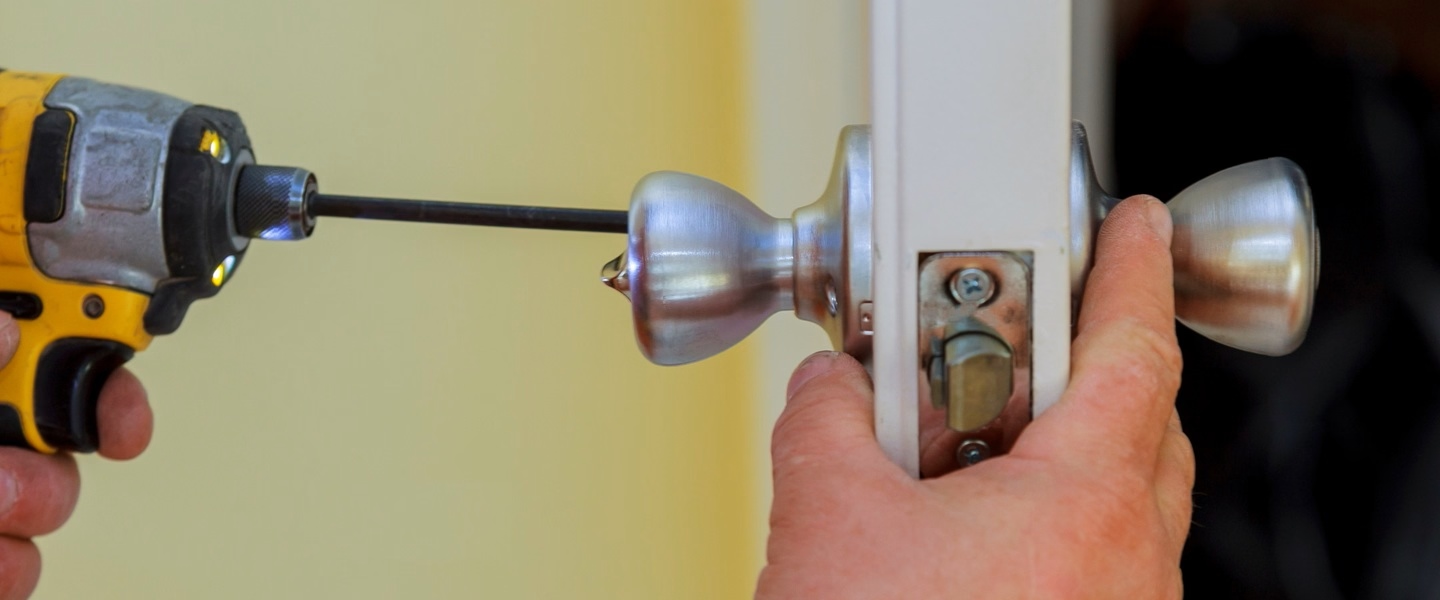
Our mobile locksmith company provides on-site residential and commercial lock change service throughout Richardson Texas. We come directly to your location with the tools, cylinders, deadbolts, and compatible hardware needed for efficient service. Instead of leaving you to guess whether the lock should be rekeyed, repaired, or fully replaced, we inspect the existing setup and explain the options clearly. That way you can choose what makes sense for your security needs, budget, and type of door.
From apartment entries and single-family homes to offices, storefronts, and mixed-use properties, Lock Change Richardson focuses on proper fit, clean installation, and dependable daily performance. A good lock should not only secure the door. It should also turn smoothly, line up correctly, and hold up to regular use without constant adjustment.
Contents
- When Lock Replacement Makes Sense
- Comparing Common Door Lock Types
- Rekeying or Replacing the Lock
- Smart Lock and Keyless Entry Options
- Typical Cost of Lock Change Service
- Brands and Hardware We Service
- DIY Installation or Professional Locksmith Help
- What Happens During the Service Visit
- Why Property Owners Choose Lock Change Richardson
- Frequently Asked Questions
- Closing Section
When Lock Replacement Makes Sense
One of the most common reasons for changing locks is a lost key. Once a key is missing, there is no reliable way to know whether it was dropped, copied, or picked up by someone else. Even if nothing happens, the uncertainty itself is often enough to justify replacing the lock. A new cylinder or new lockset removes that doubt and restores confidence in the security of the property.
Moving into a new home, rental unit, or office is another major reason to replace locks. Previous occupants may have handed out copies to relatives, contractors, employees, maintenance personnel, or cleaning services. Sometimes those copies are forgotten and never returned. Starting fresh with new locks means you do not have to rely on assumptions about where old keys may still be.
Stolen keys should be treated with even greater urgency. If someone takes a key ring, bag, or vehicle keys connected to a specific address, the existing lock should be considered compromised. Replacing the hardware quickly reduces the chance of unauthorized entry and gives the property owner greater peace of mind.
Burglary repair is another important reason for lock replacement. After an attempted break-in, internal parts may be weakened even if the lock still turns. Bent latches, damaged trim, loose cylinders, and cracked strike areas can all affect security. Replacing the hardware is often the best way to restore full protection instead of trusting damaged components to hold up later.
Some customers also request lock replacement as part of a planned upgrade. Older locks may still function, but they may no longer match current security expectations. Upgrading to stronger deadbolts, better commercial hardware, or improved cylinders can make a noticeable difference in both durability and resistance.
Comparing Common Door Lock Types
Residential properties often use deadbolts because they are strong, familiar, and available in a wide range of finishes and grades. A deadbolt secures the door by extending a solid bolt into the frame, which makes it a dependable option for homes, apartments, and some small offices. Deadbolts are also relatively straightforward to replace when the door preparation is standard.
Mortise locks are more common on commercial doors, older buildings, and certain upscale entries. Instead of sitting as a simple cylindrical unit, the lock body fits into a pocket cut inside the door. Mortise locks combine the latch and locking mechanism into one unit and are designed for heavy use. That makes them a good choice for offices, storefronts, and properties with frequent daily traffic.
Other lock styles may include lever locks, knob locks, storefront narrow-stile hardware, and panic devices. Each application has different requirements, so the best lock type depends on the door itself, the amount of traffic, and the level of security expected. Matching the right hardware to the door is just as important as the installation itself.
Rekeying or Replacing the Lock
Many customers are unsure whether they need a full lock change or a rekey. Rekeying keeps the existing lock body but changes the internal pins so old keys no longer work. This option is often practical when the lock is still in good condition and the main issue is canceling previous keys.
Replacing the lock means installing new hardware or a new cylinder entirely. This is usually the better choice when the hardware is worn, damaged, outdated, mismatched, or when you want upgraded security. Replacement may also be the better long-term choice if the lock already sticks, feels loose, or shows signs of age.
The best option depends on the actual condition of the hardware and what you want to achieve. In some cases, the front door may need full replacement while secondary doors only need rekeying. A locksmith can inspect the setup and recommend the most sensible combination.
Smart Lock and Keyless Entry Options
Smart locks continue to grow in popularity for homes, rental properties, and business spaces. They allow access through codes, apps, or credentials instead of depending only on metal keys. For some customers, this adds convenience. For others, it also improves control by making it easier to change access without physically replacing keys.
Some smart locks replace the entire deadbolt or lockset, while others are retrofit models that connect to the existing hardware from the interior side. The right choice depends on the door, the existing setup, and whether you want to maintain the current exterior appearance. Proper installation matters because even a quality smart lock can perform poorly if the door drags, the latch binds, or the alignment is off.
When installed correctly, smart locks can be a useful upgrade for busy households, short-term rentals, and businesses that need flexible entry control. They work best when paired with strong physical hardware and a door that closes correctly.
Typical Cost of Lock Change Service
Lock change pricing in Richardson depends on the door condition, the type of lock, and the amount of labor required. Standard residential work usually costs less than commercial hardware replacement, high-security cylinders, or smart lock installation.
Before any work starts, the technician inspects the lock and explains the final price for approval. That allows you to know exactly what is being recommended and why.
| Service type | Price |
|---|---|
| Service call | $29 |
| Residential lock change or rekey | $85 - $165 |
| Commercial lock change or rekey | $110 - $220 |
| High security lock change or rekey | $150 - $320 |
| Smart lock installation or replacement | $140 - $350 |
These numbers are general estimates. Final pricing depends on the condition of the door, the hardware selected, and whether any alignment or reinforcement work is needed.
Brands and Hardware We Service
We work with a wide range of residential and commercial lock brands depending on the needs of the property. Common residential options include Schlage, Kwikset, Yale, and Baldwin. For customers looking for stronger key control or higher security, options may include Medeco and Mul-T-Lock.
On commercial doors, hardware may involve Adams Rite for storefront systems, Sargent for commercial and institutional use, or broader solutions associated with Assa Abloy. The goal is always to match the hardware to the door and how the property is actually used.
DIY Installation or Professional Locksmith Help
DIY lock replacement can work on simple doors when the measurements match and the existing hardware removes cleanly. That appeals to some property owners because it may reduce labor cost. The problem is that many lock issues involve more than the lock itself. Door sag, frame alignment, worn strike plates, and stripped screw holes can all affect the result.
Professional locksmith service helps reduce the risk of misalignment, improper fit, and repeat repairs. A locksmith can also identify hidden issues that may shorten the life of the new hardware. For customers who want the job done correctly the first time, professional installation is often the better value.
What Happens During the Service Visit
During the appointment, the locksmith checks the door, current hardware, and reason for the service call. If the concern is key control, the technician will explain whether rekeying or full replacement makes more sense. If the concern is a security upgrade, compatible hardware options are reviewed before any work begins.
Once the price is approved, the old hardware is removed, the new lock or cylinder is installed, and the door is tested for smooth function. The bolt throw, latch alignment, and key operation are all checked before the job is finished. This helps ensure the door does not just lock, but locks correctly.
Why Property Owners Choose Lock Change Richardson
Lock Change Richardson is chosen by homeowners, landlords, tenants, and business owners who want clear answers and dependable workmanship. Our mobile service covers Richardson Texas with practical solutions for residential and commercial doors.
We operate from 8am-midnight and focus on careful installation, straightforward pricing, and reliable results. With experience handling deadbolts, mortise hardware, lock cylinders, and smart locks, our team aims to complete each job in a way that improves both security and daily usability. All work includes a six-month warranty on parts and labor.
What Customers Ask Most
Should I rekey the lock or replace it?
Rekeying is often enough when the lock is still in good condition. Replacement is better when the hardware is worn, damaged, outdated, or you want upgraded security.
How soon should locks be changed after moving?
As soon as possible. It is the easiest way to remove uncertainty about old key copies.
Can multiple locks use the same key?
In many cases, yes. Compatible locks can often be keyed alike for convenience.
Are smart locks reliable for everyday use?
Yes, when the door is aligned properly and the lock is installed correctly.
Do you give the price before starting?
Yes. Final pricing is explained and approved before the installation begins.
Closing Section
Lock Change Richardson helps restore security when keys are missing, access is uncertain, or existing hardware no longer meets your needs. Whether the right solution is rekeying, replacing a worn lock, or upgrading to stronger or smarter hardware, the goal is the same: smooth operation, dependable protection, and clear control over who can enter the property.